Soulflower scales a founder's voice across four channels
Four channels, one brand voice, and a creator inbox kept out of the way
- Client
- Soulflower
- Platform
- Shopify
- Market
- India
- Window
- 1 Apr to 7 Sep 2026
What Soulflower has live
The largest surface. Routine-building and product questions on the storefront.
Nearly a third of all chats. Where discovery actually happens for a brand that markets on Reels.
Order status and the repeat-purchase relationship.
Guided routine matching for shoppers who describe a scalp or skin problem rather than name a product.
The fourth surface, connected on the same shared memory so a Meta chat that starts on Instagram can continue in Messenger without the customer repeating herself.
Turns a described concern (hair fall, dandruff, acne) into a live audience attribute rather than a static list.
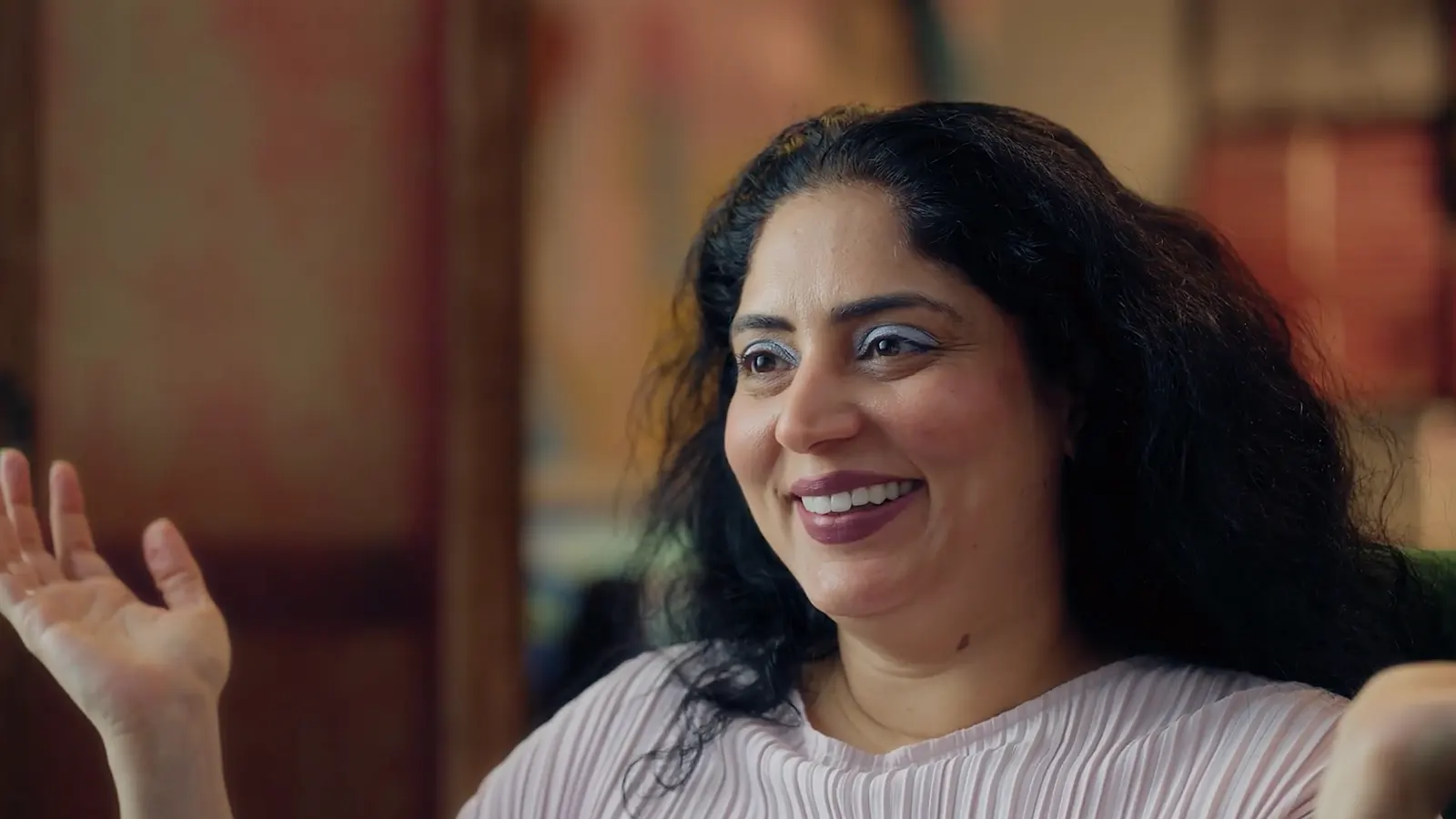
Soulflower makes preservative-free natural haircare and essential oils, best known for its rosemary hair-growth range. Founded and formulated by Natasha Tuli, the brand holds Ecocert organic certification, runs its own certified farm, and states it has served over 50 lakh customers in 25 years. Sold direct from soulflower.in, through quick commerce, and internationally via Amazon, Soulflower runs four conversational surfaces on YourLio AI.
Challenge: one founder, four channels, and an inbox full of people who aren't shopping
Soulflower's advantage is its bottleneck. The brand is built on Natasha Tuli's voice (she formulates the products and tells their story) and customers arrive expecting that level of personal attention. At over 40,000 chats across 160 days, that expectation is arithmetically impossible to meet by hand.
The questions are routine questions, not product questions. The recurring themes are rosemary-led regrowth routines paired with "is it safe daily", dandruff and itchy scalp routed to tea tree, and acne and clogged pores pushing glycolic cleanser exploration. The recorded objection says it plainly: shoppers want a clear, personalised routine and safety guidance before committing to daily use of an essential oil.
And a large share of the inbox is not shoppers at all. Paid partnership enquiries ran to over 4,500 chats and influencer collaboration to over 3,000, over 7,500 chats from creators, arriving in the same channels as someone asking whether rosemary oil suits an oily scalp. The recorded objection notes exactly this: non-product intents like modelling, scouting and creator collaboration get redirected, and cause drop-off from the shopping flow.
One more finding worth acting on: campaign promotions were being inserted into chats where the shopper had asked something unrelated. That is a distraction the data flagged repeatedly, and it is a configuration fix rather than a model problem.
- “Is this safe for daily use?”
- “Will this help with hair fall?”
- “What routine should I follow?”
- Wanting a personalised routine and safety guidance before committing to daily use
- Creator and scouting enquiries getting redirected, causing drop-off from the shopping flow
- Campaign promotions being inserted into unrelated questions, a configuration fix
Solution: one memory across four surfaces, and a separate lane for creators
Website Agent, Instagram AI, WhatsApp AI and Messenger AI run on a single shared customer memory, so the Instagram chat and the website chat are the same chat. A shopper who asked about hair fall in a DM and lands on the site a day later is not starting over.
AI Quiz and Discovery carries the routine problem. Shoppers describe a scalp condition rather than name a product, and the quiz returns a routine, which is why regime combos appear among the most-discussed items alongside single-SKU oils.
Segmentation turns each described concern into a live attribute. In a category where the same customer moves from hair fall to dandruff to acne over a year, knowing what she asked about is a better targeting signal than what she bought.
Creator outreach is treated as its own intent rather than left in the customer queue. With over 7,500 partnership and collaboration chats across the window, separating them is a meaningful recovery of the team's attention, and it stops a brand-deal enquiry from being answered like a product question.
Strategy: how Soulflower runs it now
Roughly 263 chats a day across four channels. Three patterns define the account.
Treat Instagram as a sales channel, not a support inbox. over 12,000 chats (30.6% of all volume) arrived through Instagram. For a beauty brand that markets on Reels, the DM is where product discovery actually happens, and it is usually the least instrumented surface a brand owns.
Sell the routine, not the bottle. Product Discovery ran to over 11,000 chats and the guided quiz completed over 2,500 sessions. Shoppers describing a scalp problem get matched to a routine, which is why the rosemary hair-growth regime combo sits among the top discussed products alongside the individual oils.
Give creators their own lane. over 7,500 partnership and influencer chats across 160 days is a full-time job hiding inside a customer support inbox. Routing them out is what lets the agent stay focused on the shopper.
Chats by channel, 1 Apr to 7 Sep 2026
| Channel | Chats | Share |
|---|---|---|
| Website Agent | over 27,000 | 64.3% |
| Instagram AI | over 12,000 | 30.6% |
| WhatsApp AI | over 2,000 | 5.1% |
| Messenger AI | 2 | <0.1% |
Results, 1 Apr to 7 Sep 2026
| Metric | Result | Note |
|---|---|---|
| Resolved without human handoff | 91.32% | 1 Apr to 7 Sep 2026 |
| Ended in an order | 39.97% | highest of the fifteen brands here |
| Instagram share of chats | 30.6% | over 12,000 chats |
| Creator and partnership chats | over 7,500 | routed out of the customer queue |
| Guided quiz completions | over 2,500 | same window |
| Customer profiles enriched | over 12,000 | 30.0% of chats |
| Chat engagement | 7.53% of sessions | same window |
Revenue amounts, order counts and average order values are withheld at the brand's discretion; only rates and ratios are published.
Is this replicable for a brand like yours?
The conditions this deployment ran under, so you can judge how close your own store is.
| Dimension | Soulflower |
|---|---|
| Channels live | Website Agent, Instagram AI, WhatsApp AI |
| Brand shape | Founder-led, voice is the differentiator |
| Purchase shape | Routine of 2 to 4 products, repeat |
| Inbox mix | ~19% creator and partnership enquiries |
| Public price band | ₹300 to ₹2,200 (listed on soulflower.in) |
| Device split | Overwhelmingly mobile |
| Market | India, with Amazon export |
The YourLio products powering Soulflower
One agent, working across every surface Soulflower sells on. Tap through to see each live demo and watch it turn conversations into sales.
Website Agent
Greets every shopper the second they land
The moment a customer opens Soulflower’s store, the agent is right there, helping them find the product that suits their skin and answering “how do I use this” in the brand’s own voice.
Want the same stack on your store?
Steal this playbook
- 01
One memory is the product, the channels are the packaging
A shopper who asks about hair fall in an Instagram DM and lands on the site a day later is not starting over, and the WhatsApp campaign that follows already knows what she asked. Four surfaces, one profile.
- 02
Instrument Instagram before you scale spend on it
Nearly a third of chats arrive by DM, and most beauty brands leave that inbox unmeasured.
- 03
Route creator outreach out of the customer queue
Nearly one chat in five was a brand-deal enquiry.
- 04
Sell the routine
Shoppers describe a problem; a regime converts better than a bottle.
- 05
Segment on what people asked, not what they bought
In a concern-led category the question is the better signal.
- 06
Keep campaigns out of unrelated answers
The data repeatedly flagged promo insertion on non-campaign questions. It is a configuration fix worth making.
Questions about this deployment
Soulflower's agent handled over 40,000 chats across its Website Agent, Instagram AI, WhatsApp AI and Messenger AI between 1 April and 7 September 2026 (roughly 263 a day) resolving 91.32% with no human handoff.
We have two Natashas now. One is me, the other is AI. She talks to every customer the moment they land, remembers all of them, and it always feels personal. For a DTC brand, believe me, that is huge.
More brands running YourLio
All case studies

Published 2026-09-08 · Last updated 2026-09-08 · Window 1 April 2026 to 7 September 2026 (160 days), measured from YourLio daily snapshots. Revenue amounts, order counts and average order values are not published.